
 RRL
 Freenote Cloth
 Merz B. Schwanen
 Red Wing
 Hiroshi Kato
 Schott NYC
 UES Clothing
 Dehen1920
 Polo Ralph Lauren
 West Major
 Shinola
 Amundsen
 MOSCOT
 Peregrine
 Shangri-La Heritage
 Astorflex
 Iron and Resin
 Ampal
 Jungmaven
 Big D Speedshop
 Fulton & Roark
 Howler Bros
 AO Eyewear
 Rails
 Ranger Station
 Bellroy
 Filson
 Sabah
 Birdwell
 Secrid
 Taschen
 Schwood
 Bradley Mountain
 American Trench
 Studebaker Metals
 Unmarked
 Texas Standard
 Rhythm
 Oxford Pennant
 Gestalten


 Girls of Dust
 Road to Nowhere
 Filson
 Marine Layer
 Rails
 THE GREAT.
 Shinola
 Diadora
 Astorflex
 Retro Brand

Where Cowboy Hat Crowns Got Their Names
Every crease in a cowboy hat crown means something. Most of them are named after the men who wore them first — ranchers, movie stars, gamblers, and one fictional Texas Ranger who changed hat history in 1989.

The Cattleman

The oldest and most common crown. Three creases — one down the center, one on each side. It started as a status symbol: ranch owners creased their hats this way to set themselves apart from the working hands. The center dent also made the hat easier to grab and pull off with one hand, which matters when the other one’s holding reins.
Today it’s the default. If you picture a cowboy hat, you’re picturing a cattleman crown.
The Gus
Here’s the one with the best story.

The tall, forward-sloping crown with the deep front pinch is named after Augustus “Gus” McCrae — Robert Duvall’s character in the 1989 miniseries Lonesome Dove. When the show aired, everybody wanted Gus’s hat. The crease was designed for the production by Manny Gammage of Texas Hatters, and the name stuck so hard it replaced whatever anyone called it before.
“The crease existed for years. It took a fictional Ranger to make it famous.”
And here’s the wrinkle: it wasn’t new. The same crease had been around for decades under different names. Stetson called it the Carlsbad crease. Steve McQueen wore essentially the same crown in Tom Horn (1980) — the National Cowboy & Western Heritage Museum has the actual hat. Before that, the old-timers called it the Tom Mix, after the silent-era western star. Lonesome Dove just gave it the name that finally stuck.
That’s how hat history works.
The Montana — Tom Mix

Close cousin to the Gus — high crown, three creases, but the back creases are smaller and the whole thing reads a little softer. Named for the state where ranch hands shaped it, and for Tom Mix, the movie cowboy who wore it on screen in the 1920s and ’30s and made it the fashionable hat of the era.
The Gambler

Low, flat-topped crown with a circular crease around the rim. It came north with the Mexican charros — the horsemen who worked ranches from South America up through Mexico and into Nevada. The low crown doesn’t trap hot air, which matters when you’re working cattle in August. Riverboat gamblers adopted it in the 1800s (hence the name), and Hollywood later decided it was the hat villains wear. Clint Eastwood wore one in The Outlaw Josey Wales.
The Pinch Front
Two dents pinched into the front of the crown, meeting in a teardrop or diamond. Less cowboy, more town — this is the crease that crossed over into fashion hats and fedoras. It’s the easiest crown to wear if you’ve never worn a western hat before.
The Brick

A squared-off, rectangular crease — like a cattleman that went to architecture school. Also called the Dakota in some circles. Modern, structured, and the one most likely to be curled at the brim.
The Open Crown
No crease at all. Rounded top, straight off the block. This is how every hat starts before somebody puts their thumbs in it — and plenty of old-timers never bothered. The open crown is the purest form of the hat, and shaping it yourself is half the point.
Every crown started as somebody’s practical solution — a way to grab the hat, shed the rain, or beat the heat. The names are just history remembering who did it first. Or in Gus’s case, who did it on television.
Read more

Viraltee.co Is Reinventing the Custom T-Shirt
Let’s be honest—creating a custom T-shirt has always sounded like a great idea… until you actually try to do it. You come up with a funny idea, spend way too much time trying to design it, wrestle...
Read more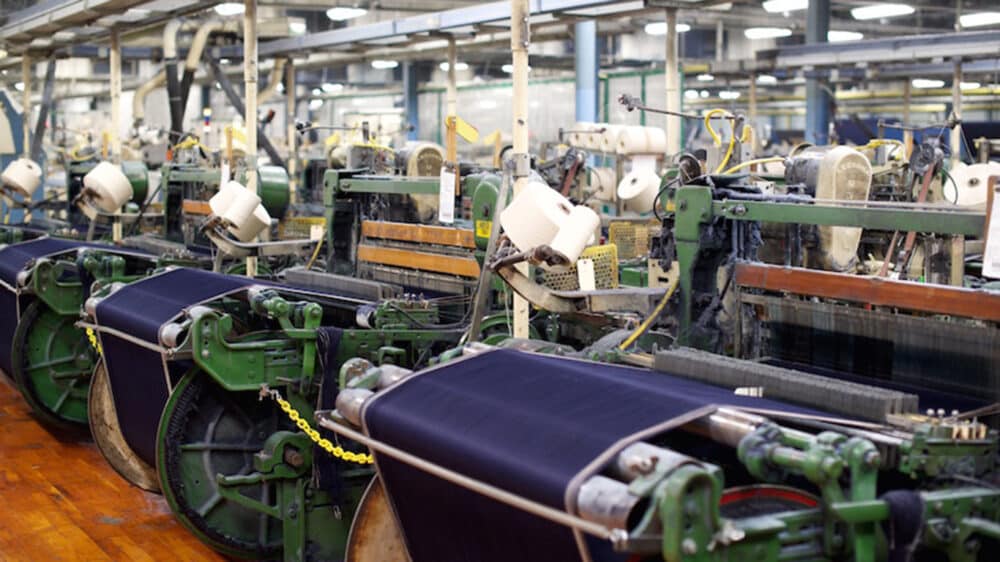
For the first time in nearly a decade, selvedge denim is being woven on American soil. The looms doing it are the same ones that made your grandfather's Levi's — and their road back was anything b...
Read more
Leave a comment
This site is protected by hCaptcha and the hCaptcha Privacy Policy and Terms of Service apply.